
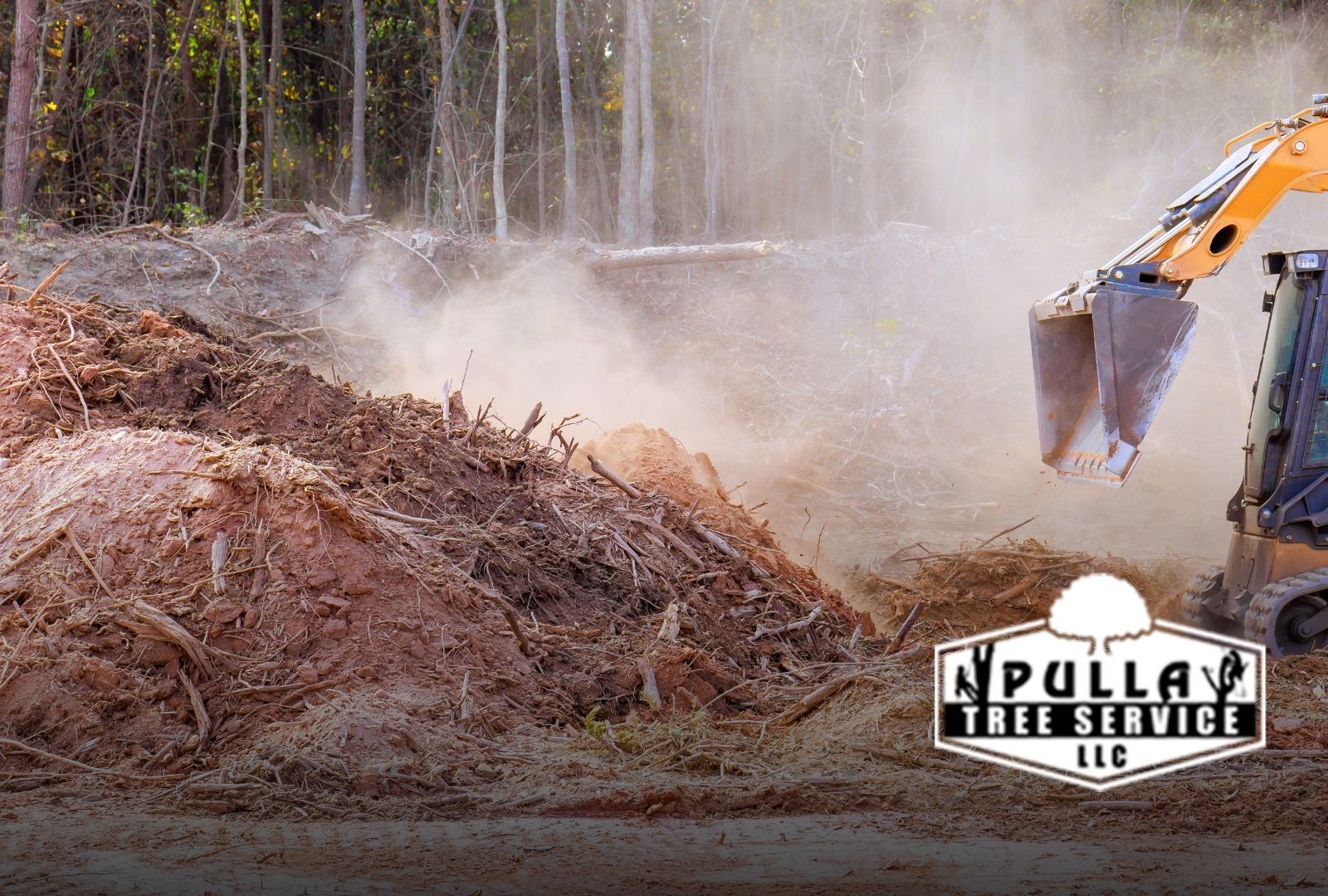
Land Clearing Methods in Countywide help you prepare your next project while caring for the land and nearby communities. Clearing brush, removing trees, and planning how to clear land shape the success and sustainability of every development.
Today, environmental concerns sit at the center of most projects, so modern clearing approaches must work quickly and also protect local ecosystems. By learning about new tools, smart planning, and eco-friendly practices, you can save time, reduce impact, and move each project forward with confidence.
Introduction
Instead of relying only on old methods, consider how innovative clearing practices support safer and more efficient work. They help you coordinate crews, schedule equipment, and handle debris without wasting effort or damaging the site.
Whether you are a developer, contractor, or landowner, staying informed about new approaches keeps your projects competitive. From eco-friendly machines to strategic planning, each choice you make can improve results and support long-term environmental responsibility.
Benefits of Land Clearing Methods in Countywide
Project and Site Advantages
Adopting modern land clearing practices offers clear advantages for any project, large or small. Specialized equipment and better planning reduce the time needed for site preparation and help keep labor costs under control.
- Fewer workdays on site thanks to efficient, multi-task equipment.
- Less soil disturbance, which helps preserve nutrients for future landscaping or construction.
- Better coordination between crews and machines, reducing delays and confusion.
- Cleaner job sites with debris handled in organized stages.
These benefits also support long-term soil health. By limiting disruption to the ground, you create a stable base that supports grading, foundations, and future planting. Clear plans and realistic schedules reduce unexpected delays and keep projects moving smoothly from one phase to the next.
Eco-Friendly Machinery for Sustainable Land Clearing
Choosing Cleaner, Smarter Equipment
When you choose modern equipment, Land Clearing Methods in Countywide become faster and less harmful to the environment. Many machines now use cleaner-burning engines or electric power, which reduces emissions on every job.
- Mulching heads grind trees and brush into reusable mulch.
- Electric or hybrid models lower fuel use and daily operating costs.
- Compact machines reach tight spaces without tearing up the soil.
- Built-in controls help operators avoid overworking sensitive areas.
By mulching material directly on site, crews reduce waste and create organic cover that protects soil from erosion. Additionally, reusing mulch on paths or planting beds supports healthy growth and lowers the need for purchased materials.
Reducing Noise and Disturbance
Another advantage of sustainable machinery is lower noise. Electric and hybrid models often run more quietly, which helps when working near homes or wildlife. Quieter job sites reduce complaints, support better focus for workers, and show nearby neighbors that you respect their space.
Strategic Planning Techniques for Efficient Clearing Operations
Effective planning forms the backbone of each successful land project. By mapping the site in detail and breaking it into zones, teams understand which areas require clearing brush, which demand removing trees, and which must stay protected.
Planning Steps Before Work Begins
- Survey the property and mark slopes, utilities, water features, and protected trees.
- Create simple maps or digital grids that divide the site into workable sections.
- Assign the right equipment and crew size to each section in advance.
- Plan safe routes for machines to limit soil compaction and damage.
Strategic staging is just as important. Choose safe nearby locations where crews can bring debris for chipping, burning where allowed, or removal. Finally, build buffer days into the schedule for weather changes or soil surprises. This flexibility keeps projects on track, even when conditions shift.
Importance of Proper Brush Removal in Land Clearing
Removing brush correctly reduces fire risk, supports healthy plant growth, and prepares the ground for construction. When brush stays on the ground, it decomposes unevenly, which can lead to erosion, pest problems, or unsafe walking areas.
However, thoughtful clearing brush practices turn waste into useful material. Machines that chip or shred brush create mulch that nourishes soil and protects new plantings. This approach reduces disposal needs and aligns your project with modern green building practices.
Tree Removal: Best Practices and Tools
Assessing Each Tree Safely
Removing trees safely requires careful inspection and planning. Before cutting, check each trunk for disease, lean, and nearby power lines or structures. Use chainsaws sized for the job, follow safety guidelines, and always wear proper protective gear.
Choosing the Right Removal Method
For larger trees, controlled felling often works well. Crews cut a notch on the side facing the desired fall direction, then make a back cut to guide the tree. In tight spaces, sectional removal brings branches and trunk pieces down in smaller parts.
In many neighborhoods, it is safer to rely on trained specialists. If your property is near roads or homes, consider working with experts who focus on tree removal in Newtown, CT. Professional help reduces risk and protects nearby buildings, driveways, and utilities.
Utilizing Technology in Modern Land Clearing
Technology continues to change how crews handle site preparation. With smart tools, Land Clearing Methods in Countywide become more precise and predictable, even on challenging properties.
For example, drones provide overhead views that reveal slopes, wet spots, and hidden obstacles before machines arrive. GPS systems guide equipment so each pass covers the right ground without overlap. In addition, software can estimate debris volumes and soil movement, which improves budgets and timelines.
Impact of Innovative Methods on Project Timelines
Time is a key factor in every project. Modern clearing approaches often allow teams to finish in days what once required weeks. Multi-task machines, clear staging plans, and accurate mapping all reduce wasted trips across the site.
Faster site preparation helps avoid seasonal weather issues and keeps follow-up trades on schedule. When concrete, grading, and utility crews can start sooner, the entire construction timeline shortens. Clients appreciate quick progress, and your reputation for efficient work grows with each successful project.
Cost-Efficiency Through Innovative Land Clearing Approaches
Smart investments in equipment and planning usually pay off quickly. While sustainable machines or digital tools may cost more at first, they often cut fuel use, labor hours, and debris disposal fees over time.
- On-site mulching lowers hauling costs and reduces landfill trips.
- Accurate mapping prevents damage to utilities and valuable trees.
- Well-planned routes shorten machine travel and fuel consumption.
- Clear project schedules limit overtime and last-minute changes.
As you refine your approach, your operations become leaner and more predictable. When landowners need help with large or complex sites, you can guide them toward organized solutions, including dedicated lot clearing services that match project size and goals.
Case Studies: Successful Implementation of Innovative Clearing Methods
Subdivision Project with Mulching Equipment
In one subdivision project, the contractor relied on skid steers with mulching heads instead of traditional bulldozers. This choice reduced soil disturbance and produced enough mulch to cover walkways and shared green spaces. As a result, cleanup and landscaping costs dropped, and the project finished ahead of schedule.
Farmland Conversion with Smart Mapping
On a rural farmland conversion, the team used drone surveys and GPS-guided machinery to clear nearly fifty acres with precise passes. They avoided overlapping work and minimized fuel use. Clearing brush and removing trees became a smooth, organized process, and the client noticed lower noise and dust compared with older methods.
Frequently Asked Questions
How do I start planning a land clearing project?
Begin by walking the property and noting slopes, wet areas, and existing structures. Next, decide which areas need clearing brush, which require removing trees, and which must stay untouched. Then build a simple map or grid so crews can follow a clear, step-by-step plan.
Can land clearing be both fast and environmentally friendly?
Yes, Land Clearing Methods in Countywide can balance speed and sustainability when you combine eco-friendly machinery, smart planning, and careful debris handling. Mulching, limited soil disturbance, and good staging areas all help protect local ecosystems while keeping work on schedule.
Do I always need permits before clearing land?
In many regions, you need permits before removing trees or disturbing soil, especially near wetlands or property lines. Therefore, it is wise to check local rules early in the planning stage. Your city or county office can explain what permissions and inspections are required.
Is it safe to clear land on my own?
Small projects with light brush might be manageable for experienced property owners. However, larger trees, steep slopes, or nearby buildings increase risk. In those cases, hiring professionals with the right equipment and training helps prevent injuries and costly damage.
When should I contact a professional land clearing company?
Consider contacting a professional when your project involves heavy equipment, major grading, or complex tree work. A qualified team can review your plans, suggest safer methods, and handle the toughest tasks. For personalized guidance, you can contact Pulla Tree Service and discuss your specific property needs.
Embracing Sustainability in Land Clearing Practices
Embracing innovative, sustainable land clearing practices brings both immediate and long-term rewards. By focusing on eco-friendly machinery, detailed planning, and practical technology, you can clear land efficiently while still protecting the environment.
As you consider how to clear land for your next project, remember that modern methods support both progress and stewardship. When you respect soil health, wildlife, and nearby neighbors, each site becomes a model for responsible development and future growth.