
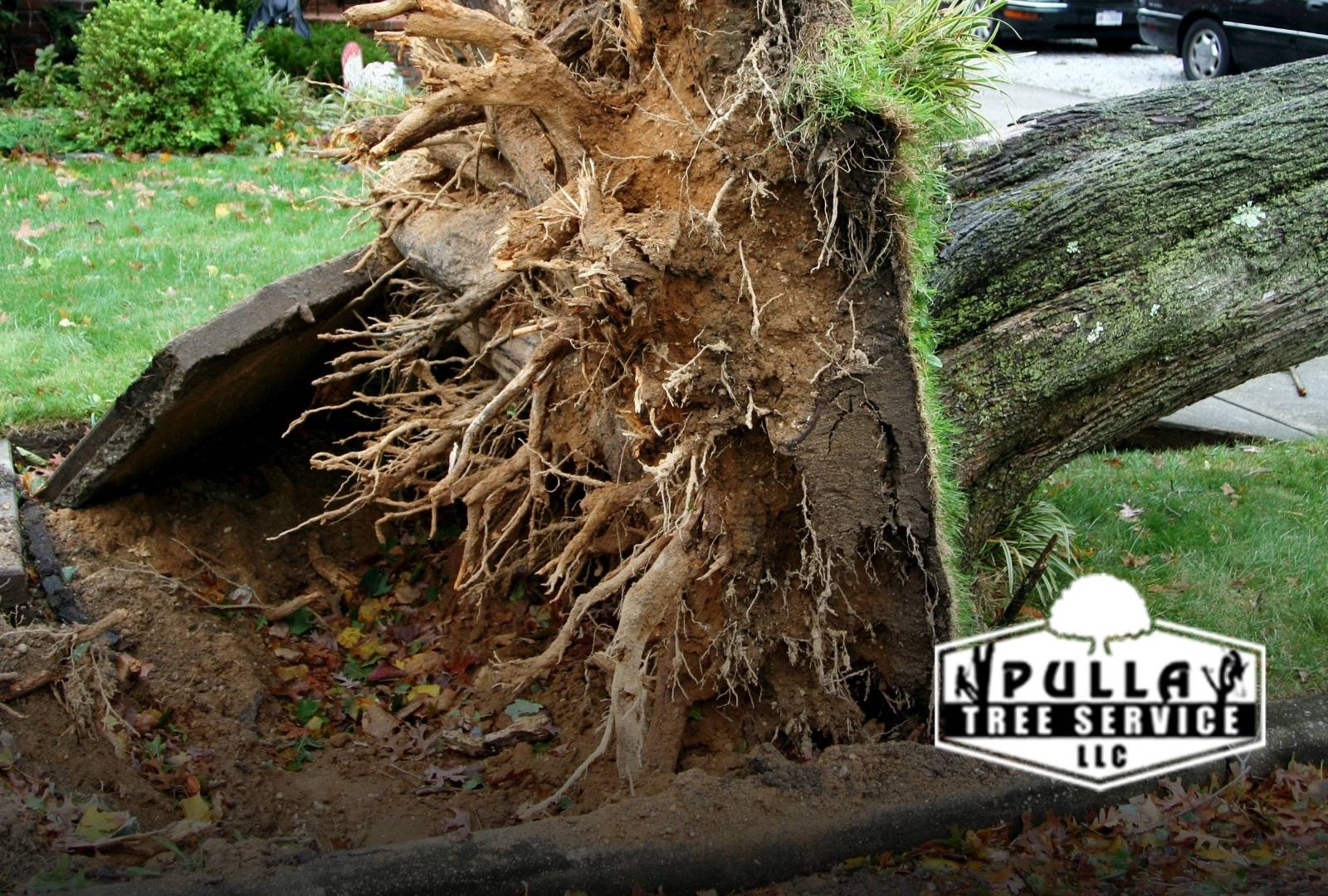
Tree Removal After Storm in Westport, CT can feel urgent when you step outside after fierce winds and heavy rain. Fallen branches, upturned roots, and broken limbs hanging over your yard reveal how powerful the storm was.
Suddenly, cleanup becomes a real need, and safety feels uncertain. In this easy guide, you will find clear steps that turn a stressful situation into a manageable plan. Whether you see light debris or heavy damage, understanding storm clean-up services helps protect your property and restore your outdoor space.
Assessing the Damage: Understand the Extent of the Aftermath
First, walk your property slowly and in a systematic way. Notice where fallen branches, leaning trees, or exposed roots pose risks. Pay special attention to driveways, walkways, and play areas where people move often. This walk helps you measure the level of tree damage cleanup required and reveals hazards that might cause injuries or new property damage.
Next, take photos and short videos of every damaged spot. These records help when you request quotes or file insurance claims. Check for cracked trunks, hanging limbs, and trees leaning on fences or roofs. Plan the work in stages, handling light debris yourself while reserving dangerous tasks for Tree Removal After Storm in Westport, CT specialists or trusted tree removal in Westport, CT crews.
Safety First: Precautions and Protective Gear for Tree Removal
Before lifting a single branch, think about safety. During any work that feels like “disaster cleanup near me,” protect yourself and anyone who helps. Wear sturdy gloves to shield your hands from sharp twigs and rough bark. Use safety goggles so dust, wood chips, or hidden pests do not injure your eyes.
- A hard hat to guard against falling branches.
- Steel-toed boots for grip and protection from heavy debris.
- Hearing protection when using chainsaws or chippers.
- High-visibility vest if you work near a street or driveway.
Additionally, keep a small first-aid kit and charged phone nearby in case of emergencies. Proper gear may seem slow to put on. However, it greatly lowers the chance of accidents and keeps everyone safer while you handle post-storm tree work.
Gathering the Right Tools: Essential Equipment for Efficient Cleanup
Having the right tools ready before you begin saves time and stress. A sharp handsaw or pruning saw is useful for mid-sized branches, while long-handled loppers cut thinner limbs cleanly. For heavier wood, a well-maintained chainsaw with a fresh chain is extremely helpful. Keep extra fuel and bar oil close if you use gas-powered tools.
- Wheelbarrow or garden cart for moving branches and logs.
- Ropes to secure hanging limbs until you can cut safely.
- Heavy tarps to drag piles of smaller debris.
- Work gloves, water, and a basic first-aid kit.
Moreover, gather everything in one staging area so you do not constantly search for tools. This simple step cuts down on frustration and reduces the urge to rush, which can lead to mistakes or injuries.
Clearing Debris: Removing Fallen Branches and Twigs
Begin by sorting branches by size. Place small twigs in one pile, medium branches in another, and large logs separately. This simple system speeds up hauling and helps you see progress quickly. Use a wheelbarrow or cart to move lighter debris to your yard waste bin or compost pile.
For larger branches, place them on tarps and drag or roll them to a safe staging area. Avoid lifting heavy logs alone; ask a friend for help or use a hand truck. Take short breaks to prevent fatigue. This early stage of Tree Removal After Storm in Westport, CT keeps later steps safer and more organized.
Handling Broken Limbs: Techniques for Safe Removal
Approach any hanging or cracked limbs with extreme care. First, use a strong rope to tie the limb securely above the break. Loop the rope around the branch and lower it slowly before you cut. This simple method controls the fall and protects you from sudden drops.
When cutting, use two steps. Create a small undercut about one-third through the branch. Then make a top cut slightly farther out. This prevents bark from tearing down the trunk. Clear the ground below before you start, and keep children and pets well away from the work zone.
Dealing with Uprooted Trees: Strategies for Replanting or Disposal
If a tree is uprooted but still mostly intact, decide whether replanting makes sense. Dig a hole about twice the width of the root ball. Trim damaged roots with clean, sharp pruners. Then set the tree so the soil line matches its original depth, and backfill with a mix of native soil and compost.
Gently tamp the soil to remove air pockets and water deeply. Stake the tree so it stays upright while roots recover. If replanting is not practical, cut the trunk into manageable sections. You can use the wood as firewood, wildlife habitat, or mulch, or coordinate disposal through local lot clearing services or recycling centers.
Seeking Professional Help: When to Call Tree Removal After Storm in Westport, CT Experts
Some situations are too risky for do-it-yourself work. If a tree leans over your roof, touches power lines, or shows signs of deep decay, it is time to call trained crews. Certified arborists and experienced storm teams have specialized gear to handle complex removals safely.
Search for local companies with strong reviews and proper insurance, rather than relying only on quick ads. You can also contact Pulla Tree Service to discuss post-storm tree concerns in Westport, CT. Ask about safety protocols, written estimates, and cleanup methods before you agree to the work.
Proper Disposal: Recycling and Reusing Tree Waste
After cutting and stacking debris, look for recycling options instead of sending everything to the landfill. Wood chips make excellent mulch that holds soil moisture and cuts down on weeds. Larger logs can become firewood for home heating or be shared with neighbors who use wood stoves.
- Chip branches into mulch for garden beds and pathways.
- Cut logs into firewood where allowed by local rules.
- Use stumps and sections as wildlife habitat in natural corners.
- Ask local recycling centers about yard waste drop-off programs.
Some tree services include chipping and hauling in their work. When you request quotes, ask about eco-friendly disposal methods. This helps you protect the environment while you restore your yard after the storm.
Restoring Your Landscape: Planning for Replanting and Recovery
Once dangerous trees and messy debris are gone, you can focus on recovery. Choose native species that thrive in Westport, CT soil and climate. Native trees and shrubs usually need less water and care. They also support local birds, pollinators, and other wildlife.
Sketch a simple plan showing where new trees, shrubs, or groundcovers will go. Consider sunlight, drainage, and underground utilities. Prepare planting holes with compost, water deeply after planting, and add mulch around the base. Regularly check young plants for stress, and provide stakes or guards when needed.
Frequently Asked Questions
How do I know if a storm-damaged tree must be removed?
Look for deep trunk cracks, heavy leaning, and roots lifting from the soil. Branches hanging over homes or power lines are also serious warnings. In these cases, call a qualified tree professional to inspect the tree and suggest a safe plan.
Can I handle small branches myself and still stay safe?
Yes, you can usually manage light debris if you wear proper safety gear and move slowly. Only cut branches you can control easily and that are not near power lines or structures. When in doubt, stop and schedule a professional visit instead.
Should I call my insurance company before hiring a tree service?
It is wise to document damage with photos and contact your insurer early. Ask what costs may be covered before you sign any contract. This simple step can prevent billing surprises and help you choose the best cleanup approach.
How do I pick the right tree service in Westport, CT?
Look for companies with strong local reviews, proof of insurance, and clear written estimates. Ask about training, safety practices, and cleanup options. You can also contact Pulla Tree Service to discuss your specific storm damage and schedule an on-site review.
Can tree damage cleanup help prevent future storm problems?
Yes, thoughtful cleanup often uncovers weak limbs and crowded growth. After the main mess is gone, regular pruning and smart planting improve tree structure. Over time, these steps reduce the risk of broken branches and major damage during future storms.
Tree Removal After Storm in Westport, CT does not have to feel overwhelming when you break the job into simple steps. From careful damage checks and safe debris removal to smart decisions about replanting, each action brings your yard closer to normal.
Whether you handle light tasks yourself or hire trusted storm crews, planning and patience matter. With the right tools, safety habits, and help when needed, your landscape can recover fully and may even emerge stronger and more beautiful than before.