
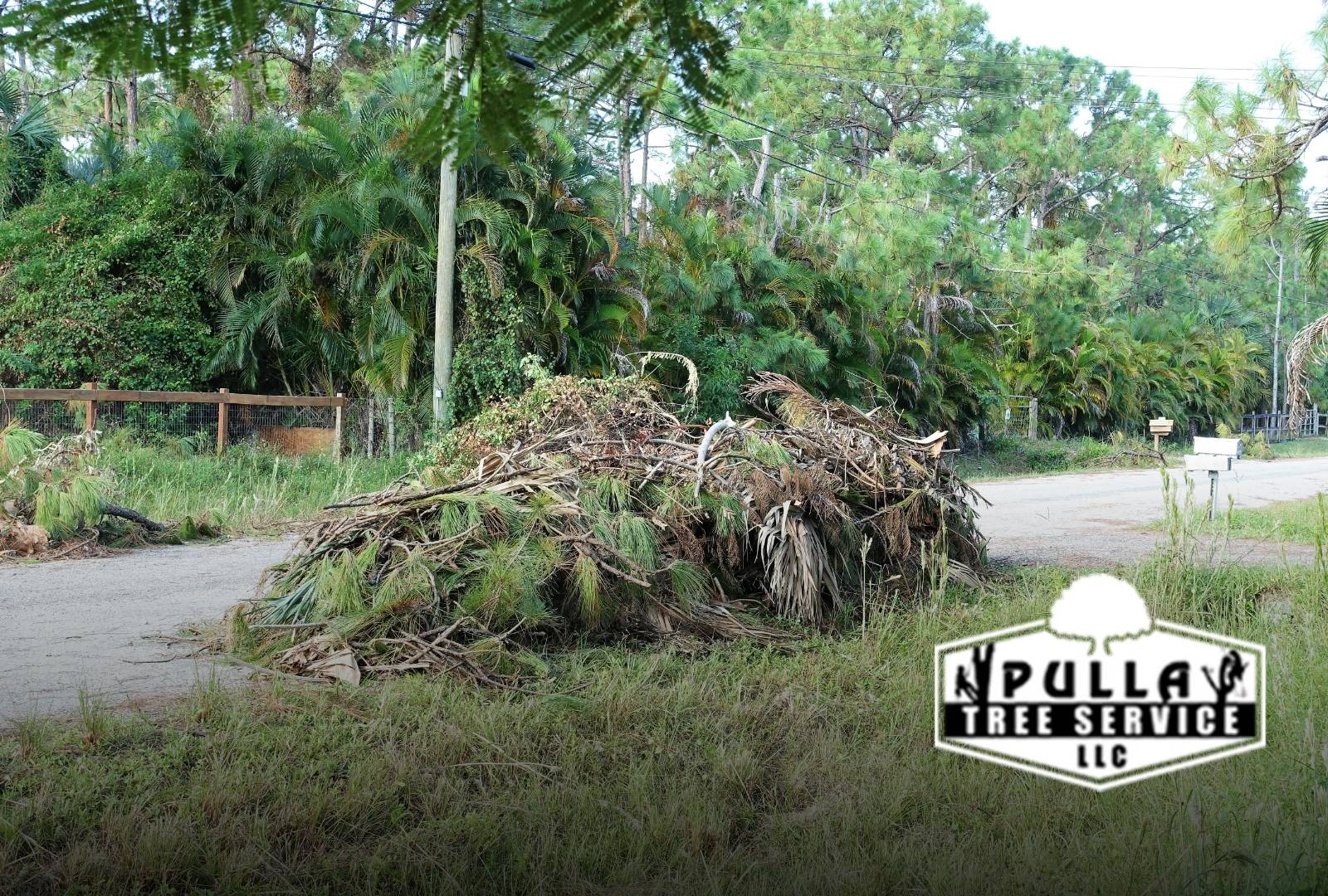
Best Practices for Tree Debris Cleanup in Stamford, CT help you handle branches and leaves without stress. After a storm, piles of limbs and foliage can quickly cover a well-kept yard and feel overwhelming. With a simple plan and the right tools, you can clear your outdoor space safely, quickly, and with less effort.
Cleaning does not have to feel like a huge chore. By following Best Practices for Tree Debris Cleanup in Stamford, CT, you turn a hard job into a calm routine. This guide shares practical tips, shows how to dispose of tree debris properly, and explains easy ways to keep your yard neat and eco-friendly.
Understanding the Impact of Tree Debris on Your Property
After trimming or severe weather, scattered branches, bark, and leaves can affect your home’s exterior. Debris piles may block walkways, trap moisture near your foundation, and invite pests such as insects or rodents. Left alone, damp piles can lead to mold or rot and slowly damage siding, decks, or fences.
Besides safety issues, messy piles reduce curb appeal and make even a cared-for yard look neglected. Buyers or tenants often judge maintenance by what they see outside. Because of this, Best Practices for Tree Debris Cleanup in Stamford, CT matter for safety and curb appeal. Quick action protects your property and your neighborhood’s look.
Essential Tools for Efficient Tree Debris Cleanup
Having the right tools for efficient tree debris removal makes every step smoother. Basic items include snug work gloves, safety glasses, and sturdy boots. Add pruning shears for small branches, a rake for leaves and twigs, and a wheelbarrow or garden cart for heavy loads. Always inspect tools and sharpen blades before you begin.
- Work gloves, eye protection, and closed-toe boots
- Pruning shears and loppers for small and medium branches
- Rake and leaf blower for light debris
- Wheelbarrow, tarp, or garden cart for hauling piles
- Hand saw or chainsaw for thick limbs
For large jobs, tools for efficient tree debris removal may include a chipper or shredder to turn branches into mulch. If you handle very large or risky trees, consider professional tree removal in Stamford, CT to stay safe. When space is tight, strong lawn bags and foldable tarps still keep cleanup simple.
Sorting and Organizing Tree Debris Effectively
First, sort debris into clear groups. Place logs and thick limbs in one pile, medium branches in another, and leaves or small twigs in a third. This simple method helps you decide which pieces to chip, which to compost, and which to bag or bundle for pickup by your local program.
- Logs and thick limbs for cutting, splitting, or chipping
- Medium branches for bundling or feeding into a chipper
- Leaves and tiny twigs for bagging or composting
- Non-organic items, like plastic, in a separate trash pile
Next, arrange piles so they stay out of walkways yet remain easy to reach. You may use small signs or color markers to remember which pile goes where. This organized layout reduces confusion, keeps your worksite safer, and supports local rules on how to dispose of tree debris properly.
Techniques for Safe Handling and Removal of Tree Debris
Proper lifting technique protects your back and joints during tree debris removal. Bend at the knees, keep your back straight, and hold heavier limbs close to your body. For bulky pieces, ask a partner for help, and move in small steps rather than quick twists. Take short breaks to avoid fatigue.
When using saws or chainsaws, follow all safety instructions and wear eye and ear protection. Always clear a steady path before cutting and keep bystanders well away. After each cut, place branches into the correct pile instead of throwing them. Safe, steady movements reduce accidents and keep cleanup efficient.
Eco-Friendly Disposal Methods for Tree Debris
There are several eco-friendly ways to handle yard waste. A chipper can turn branches into mulch that helps soil hold moisture and prevents weeds. Leaves and small green scraps can go into a compost pile, slowly turning into rich material for garden beds, flower borders, and vegetable plots.
- Chipping branches into mulch for gardens and paths
- Composting leaves and soft material for future soil
- Stacking select logs for wildlife habitats in low-use corners
- Reusing wood for simple outdoor projects or firewood, when allowed
If home composting is not possible, check city yard waste programs in Connecticut for drop-off or pickup days. Many communities accept bundled branches and bagged leaves. Some farms or community gardens also welcome clean tree debris. These options teach you how to dispose of tree debris properly while reducing landfill use.
Creating a Cleanup Plan That Works for You
Before cutting a single branch, create a simple plan. Estimate how much debris you expect, and choose a clear start and finish time. Then assign tasks: one person cuts, another rakes, and another hauls branches. A short checklist helps you track key steps such as sorting, bagging, and a final sweep.
Also, match your schedule to local yard waste pickup or drop-off days in Stamford. Check the weather to avoid working during heavy rain or high winds. If your trees are very large, you may include help from lot clearing services for big or overgrown areas. By planning ahead, you follow Best Practices for Tree Debris Cleanup in Stamford, CT and keep the work simple.
Maximizing Efficiency Through Time-Saving Strategies
To save time, group similar tasks instead of switching back and forth. First, cut all large branches to a manageable size. Next, move on to raking leaves and tiny twigs. Working by zones, such as front yard, side yard, and backyard, reduces walking and keeps tools close to where they are needed.
- Use tarps to drag multiple loads at once
- Stage tools at each work zone before you begin
- Batch trips to drop-off centers or curbside piles
- Feed branches into chippers in size order
Another helpful strategy is to fully load bags, bins, or carts before hauling them away. This approach cuts down the number of trips. When using machines, group branches by thickness so you rarely adjust settings. These habits support Best Practices for Tree Debris Cleanup in Stamford, CT while saving time and energy.
Each town sets its own rules for yard waste. In Stamford, CT, guidelines often cover branch length, bundle size, and approved bag types. Before you begin, check the latest instructions on the city website or call the local waste management office. Clear information prevents surprises when collection day arrives.
Some neighborhoods or homeowner associations limit where you can place debris at the curb. Others may require private hauling for large volumes. Understanding these requirements early helps you plan how to dispose of tree debris properly, so your piles are accepted the first time and you avoid possible fines.
Maintaining a Clean and Pristine Outdoor Environment
Keeping your yard tidy year-round makes big cleanups much easier. After major storms or pruning days, schedule quick follow-up checks. A short weekly or bi-weekly walk through your property lets you pick up small branches, blown leaves, and loose sticks before they gather into larger piles.
- Set calendar reminders for light yard checks
- Use mulch under trees to catch falling debris
- Trim problem branches before storm season
- Store tools in one easy-to-reach location
Thoughtful planting can also guide debris into easier-to-reach areas. Ground covers, mulch rings, and low-maintenance plants near tree bases help control where leaves land. Over time, tree debris removal becomes part of regular upkeep instead of a once-in-a-while crisis, and your yard stays welcoming and neat.
Frequently Asked Questions
How often should I schedule tree debris cleanup?
In most cases, plan a light cleanup every few weeks and a deeper one after major storms or seasonal pruning. Regular checks stop debris from piling up and make each session faster. Your yard size, number of trees, and local weather may change how often you need to clean.
What is the safest way to handle large or high branches?
Large or high branches are risky to cut without training. Avoid climbing with tools or leaning ladders on weak limbs. Instead, hire a qualified service that uses proper safety gear, ropes, and equipment. Professional help reduces the chance of injury and prevents damage to roofs, fences, or nearby structures.
Can I burn tree debris in my yard?
Burn rules vary by city and neighborhood. Many areas limit or ban open burning due to safety and air quality concerns. Always check local laws and homeowner association rules before lighting any fire. When burning is not allowed, rely on chipping, composting, or municipal collection programs instead.
How do I know if debris should be hauled away or turned into mulch?
Healthy, untreated wood and leaves are usually fine for mulch or compost. However, diseased wood, insect-infested branches, or chemically treated lumber should not go into garden soil. In those cases, follow city rules for special disposal or contact a local yard waste facility for clear guidance.
When should I call a professional tree service?
Call a professional when branches are near power lines, over roofs, or too heavy to move safely. You should also seek help if you see signs of tree disease, decay, or unstable trunks. Experts can remove dangerous limbs, advise on long-term tree health, and complete cleanup quickly.
Transforming Tree Debris Cleanup into a Seamless Process
Embracing Best Practices for Tree Debris Cleanup in Stamford, CT lets you care for your yard with confidence. When you understand the impact of fallen branches, choose the right tools, and follow eco-friendly disposal methods, every phase feels more organized. Good planning and safe techniques turn a hard task into a simple routine.
Maintaining a clean yard does not need to feel overwhelming. With steady habits, you know exactly how to dispose of tree debris properly and keep your landscape healthy. If you ever face a job that feels too large or risky, you can always contact Pull A Tree Service for safe, reliable help.