
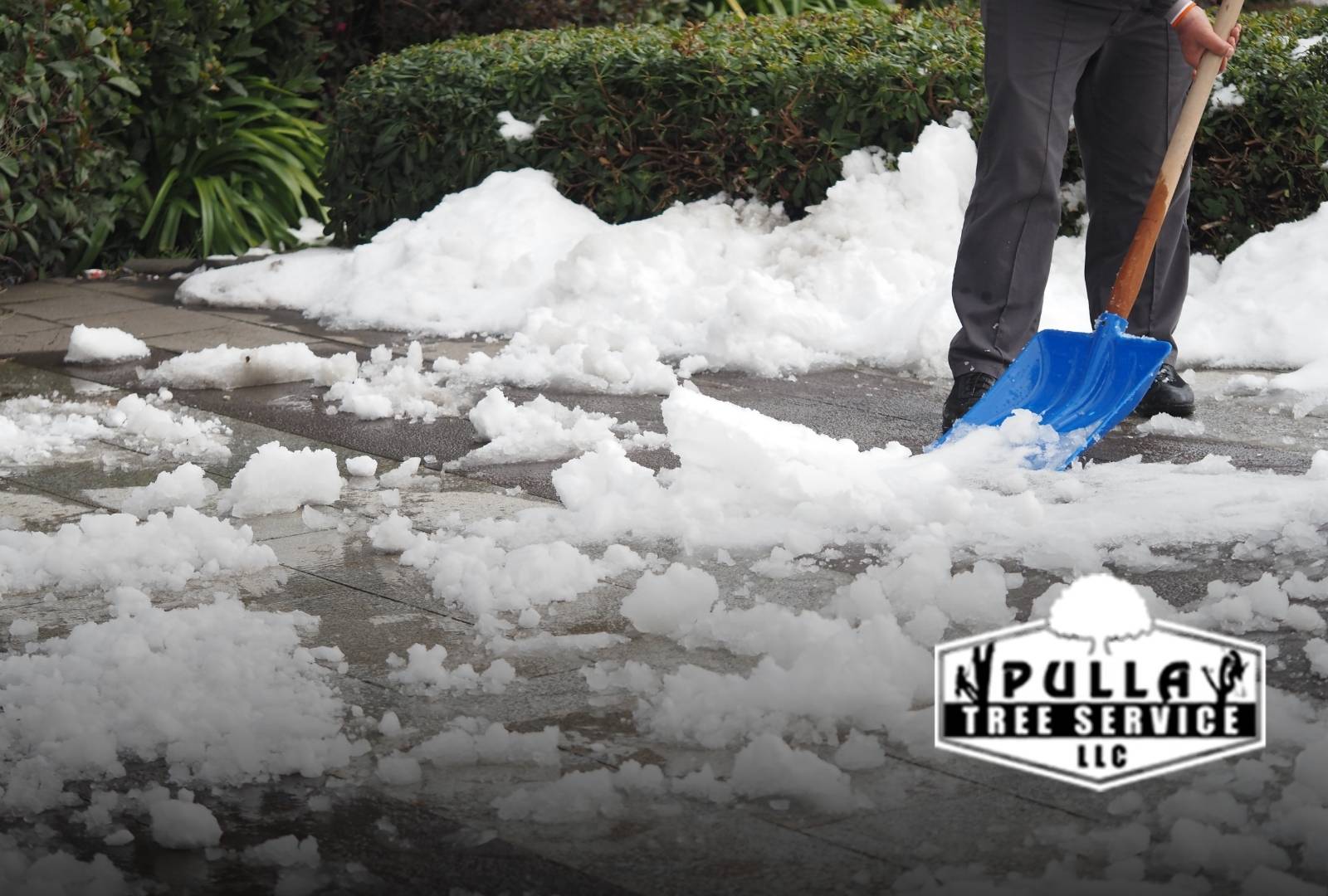
An early snow or ice event can leave your yard almost unrecognizable—driveways blocked, damaged trees leaning, and heavy limbs scattered everywhere. Handling storm clean-up after early snow/ice means making clear, safe decisions about which trees must be removed, which stumps should be ground, and how to restore easy access around your property.
Identifying Trees That Need Removal
Before you ever start a saw, decide which trees and stumps are genuine hazards and should be taken out completely. Look for deep cracks in trunks, major splits in the bark, uprooted or partially uprooted trees, and large broken limbs caught overhead. These signs point to serious structural failure where full removal—not light work—is the safest choice. Pay special attention to trees tilting toward driveways, roofs, or power lines, and mark these areas as top priority.
- Scan for hanging limbs over driveways, walkways, parking areas, and buildings.
- Check bases for fungus, soft or decayed wood, or hollow spots.
- Watch for leaning trunks or shifting roots that suggest they could fail without warning.
Safety Precautions Before Tree Removal or Stump Work
Safety should guide every decision during storm clean-up after early snow/ice. Clear loose debris from your work zone so you have solid footing. Put on full protective gear and carefully inspect your chainsaw and stump grinding equipment. Confirm that the chain brake, throttle lock, guards, and emergency shutoff all work correctly. Plan at least one clear escape path before you begin cutting, and keep family members, neighbors, and pets well outside the drop zone.
Essential Chainsaw Maintenance for Tree Removal
Well-maintained tools are crucial when you are taking down damaged trees or cutting trunks into smaller pieces for hauling. Tighten any loose hardware, remove packed snow and debris, and keep the bar and chain properly lubricated. Make sure the chain is sharp and correctly tensioned to lower the risk of kickback, especially when working on storm-stressed wood. Replace air filters and spark plugs as recommended so your saw can handle cutting large logs and working close to stumps.
- Inspect your chainsaw thoroughly before every use.
- Sharpen or replace chains often for smooth, efficient cuts through thick trunks.
- Use high-quality bar oil so the chain runs freely and stays cooler.
Prioritizing Tree Removal for Driveway Clearance
Restoring access is usually the first priority after a storm. Focus on trees, trunks, or heavy limbs that block your driveway, garage entrance, or main pathways. Remove large obstacles first, cutting fallen trees into sections you can move safely. Once vehicles can get in and out, it becomes much easier to bring in additional tools, trailers, or professional equipment for stump grinding and final clean-up.
Safe Techniques for Removing Fallen Trees and Limbs
Start by removing smaller debris so you can clearly see the main trunk and how it rests on the ground. Storm-felled wood is often under tension, so study how it bends or twists before you cut. When sectioning, stand to the side—not directly behind the log—to avoid sudden rolling or shifting. Use relief cuts to help control how the wood opens or closes as you cut, and stay out of potential pinch points. If a fallen tree is severely twisted, suspended off the ground, or tangled with other trees, the safest option is to bring in a professional crew.
When and Why to Grind Stumps
After a hazardous tree is removed, the remaining stump can still cause trouble. Stumps near driveways, sidewalks, and high-traffic areas are trip hazards and can invite pests or unwanted sprouts. Stump grinding removes the bulk of the stump below ground level so you can regrade, replant, or install new hardscaping without obstacles. Once grinding is finished, you can backfill the hole with a blend of soil and grindings or haul material away for a smoother surface.
- Grind stumps close to driveways, sidewalks, patios, and play spaces.
- Use stump grinding to stop unwanted regrowth from problem trees.
- Backfill and level ground quickly to avoid new hazards after grinding.
Disposal Options for Tree Removal Debris
Once trees are taken down and stumps are ground, you’ll need a plan for logs, branches, and piles of wood chips. Think through disposal before cutting so you can stack and move material efficiently. Smaller branches and twigs can be chipped or bundled for curbside pick-up where allowed. Larger trunk pieces can be reduced for firewood or loaded into trailers or dumpsters for removal. Stump grindings can serve as mulch in natural areas or be hauled off if you want a cleaner finish.
- Use municipal green waste and seasonal collection programs when available.
- Rent a chipper or hire a service to process piles of branches and brush.
- Set aside seasoned logs for firewood or arrange hauling for oversized pieces.
For more details on professional tree removal and stump grinding support, explore our tree services page.
Preventing Future Hazards Through Proactive Tree Removal
Reducing future storm damage is not only about shaping branches—it often means removing the most vulnerable trees before they fail. Consider proactive removal of trees with advanced decay, severe lean, or roots that are lifting sidewalks and driveways. Taking out these high-risk trees and grinding the stumps now can prevent dangerous failures during the next snow or ice storm and help keep your property safer all year long.
Securing Professional Help for Hazard Tree Removal
Some storm damage is simply too dangerous to tackle alone. If large trees are intertwined with power lines, leaning heavily toward buildings, or split at the trunk, contact experienced tree removal experts. Professionals have the training and equipment to bring down hazard trees safely, section them without creating more damage, and complete stump grinding efficiently—lowering both property risk and personal liability.
Frequently Asked Questions
How should I prioritize clean-up after an ice storm?
Begin by locating and addressing immediate hazards—trees or large limbs that threaten people, structures, or utilities. Next, clear your driveway and primary walkways to restore safe access for vehicles, emergency services, and any additional equipment you may need.
What gear is essential for safe tree removal?
Use a helmet with face protection, hearing protection, gloves, chainsaw chaps, and solid boots with good traction. Always confirm that your chainsaw’s safety features are working before you cut, and follow the manufacturer’s instructions carefully if you use a stump grinder.
Can I use storm debris for mulch?
Yes, chipped branches and stump grindings can be repurposed as mulch in planting beds and natural areas. Spread a moderate layer around plants to conserve moisture and insulate roots, but keep mulch slightly away from trunks and stems to prevent rot.
When should I call a professional for storm clean-up?
Call trained experts any time trees are touching or close to power lines, leaning over rooftops, or too large for you to handle safely. Professional crews can manage complex removals and stump grinding with the right equipment and safety procedures.
What are safe disposal options for storm waste?
Use local green waste collection, community drop-off sites, or hire a service that includes hauling in their estimate. Chippers, roll-off dumpsters, and hauling trailers are all effective for clearing large volumes of logs, branches, and grinding debris.
Approach storm clean-up after early snow/ice step by step: identify the most dangerous trees, plan safe removal, address leftover stumps, and organize disposal from the beginning. For large, complicated, or high-risk situations, rely on experienced help for efficient tree removal and stump grinding. Visit our contact page to get expert support in restoring safety, access, and peace of mind to your landscape.