
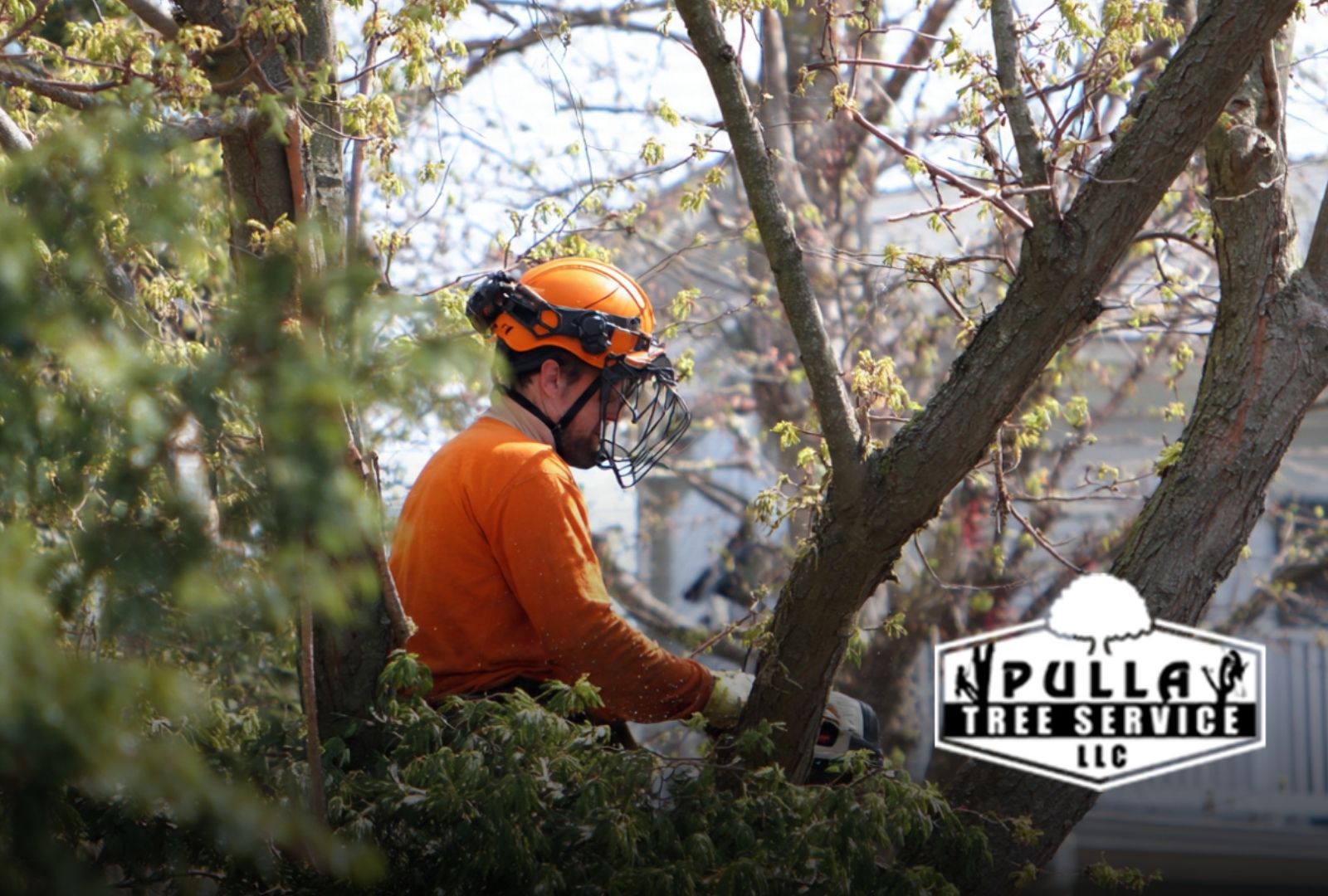
Preparing to remove a tree from your property can feel intimidating, especially when thinking about the potential risks involved. Safety is paramount, whether you’re worried about the hazard a tree poses during storms or simply trying to prevent damage to your home.
Many homeowners in Norwalk, CT, face these concerns, so it helps to learn How to Perform a Tree Removal the right way. This guide explains key steps, permit basics, and when to choose Professional tree removal services in Norwalk CT for safer results.
Assessing Tree Removal Needs
Before you start, decide if removal is truly needed. Look for warning signs like large dead limbs, deep trunk cracks, or a lean that keeps getting worse. Also, check whether the tree sits too close to the house or driveway, since impact risks rise fast.
Next, clarify your goal. For example, the tree may be unstable after storms or it may threaten structures. If you see serious problems and feel unsure, consider whether it is safer to involve pros instead of doing it yourself.
- Dead or hanging limbs that could fall
- Cracks, decay, or visible weakening
- Leaning toward the home, fence, or lines
- Roots lifting hard surfaces or pushing into paths
Understanding Norwalk Tree Removal Regulations
Local rules matter before any work begins. In Norwalk, you may need approval based on the tree’s size, species, or location. Therefore, review Tree removal permit requirements in Norwalk CT early, since delays can affect your plan.
Also, some areas have added guidelines, such as neighborhood rules or historic district requirements. To avoid fines or replanting orders, contact the city office that handles these requests and confirm what applies to your property.
Obtaining Tree Removal Permits in Norwalk CT
Start the permit process by collecting basic property details and tree information. In many cases, you will need the species, trunk size, and exact placement on the lot. Then, submit the request and keep a copy of any approval on site, just in case.
Since timing can vary, it helps to plan ahead. While you wait, you can map your work zone and review safety steps so you are ready when permission is granted.
- Record species, diameter, and location
- Submit paperwork to the proper city office
- Keep approvals available at the work area
- Schedule the job only after approval
Ensuring Safety Measures Before Tree Removal
Safety steps protect you, your family, and nearby homes. First, clear the area around the tree, including vehicles, patio items, and loose tools. Next, mark a perimeter so people and pets stay back.
Just as important, wear protective gear like gloves and eye protection. That way, you lower the chance of injuries during the work. This is also a key part of How to protect property during tree removal.
Tools and Equipment Required for Tree Removal
Having the right equipment helps the process go smoother. However, even with tools, the risk can stay high if the tree is large or near structures. For a deeper overview of useful gear, review tree removal tools and match them to the job size.
- Protective gear: gloves, eye protection, head protection
- Cutting tools suited to the tree size
- Ropes and control lines for guided lowering
- Wedges to help control direction
Steps to Safely Remove a Tree at Home in Norwalk
If the tree is small and clear of hazards, plan each step before you begin. First, inspect the canopy and remove low, manageable limbs in a controlled way. Then, work in sections, keeping your drop zone clear at all times.
To prepare properly, use the checklist in how to prepare for tree removal. In addition, follow practical safety reminders from tips for tree removal so you avoid common mistakes.
- Clear the work zone and set a safety perimeter
- Plan a safe retreat path before any major cut
- Remove smaller limbs first, section by section
- Stop immediately if the tree shifts unpredictably
How to Protect Property During Tree Removal
Property protection starts with planning. For example, identify what could be hit, such as fences, roofs, or sheds. Then, set controlled drop zones and use ropes to guide heavy sections down more safely.
Also, keep communication clear if anyone is helping. Even a small misstep can cause damage. If the tree is close to structures, it is often safer to choose Professional tree removal services in Norwalk CT instead of risking a costly impact.
Techniques for Cutting and Lowering Tree Branches
Cutting methods affect both safety and control. A common approach is using an initial cut to reduce tearing, followed by a finishing cut to release the limb cleanly. Meanwhile, ropes can help guide heavier sections down when there is limited space.
Move slowly, and never rush. If anything feels unstable, stop and reassess. This mindset supports How to Perform a Tree Removal with fewer surprises and better control.
Dealing with Tree Stumps After Removal
After removal, you can either leave the stump, grind it down, or remove it with manual effort if it is small. Grinding often leaves wood chips, which can be reused around the yard. On the other hand, digging removes the stump and root mass, but it takes more labor.
Choose the approach that fits your space and your plan for the area. Either way, fill any hole properly to reduce trip hazards and settling.
Cleaning Up After Tree Removal
Clean-up keeps the yard safe and makes the site usable again. Start with small debris, then sort larger pieces for hauling. Finally, rake and check for hidden hazards like sharp fragments or uneven ground.
If storm damage caused the urgency, you may need quicker help. In that case, review emergency tree removal to understand what to do next and how to reduce immediate risk.
Frequently Asked Questions
Do I always need a permit before removing a tree in Norwalk?
Not always, but some trees require approval based on size, location, or local rules. Check Tree removal permit requirements in Norwalk CT before starting.
What are the biggest safety risks when removing a tree at home?
Falling limbs, unexpected shifts, and property impact are major risks. Steps to safely remove a tree at home in Norwalk should always include a clear work zone and a plan.
How can I reduce damage to my home or driveway during removal?
Use controlled drop zones and ropes when needed, and clear the area fully. This is central to How to protect property during tree removal.
When should I stop and call professionals instead?
If the tree leans toward buildings, sits near lines, or is very large, it is time to step back. In those cases, When to call professionals for tree removal in Norwalk becomes the safest choice.
Where can I find local help for a complex tree removal?
For larger or higher-risk projects, consider Professional tree removal services in Norwalk CT. You can also learn about local options through tree removal Norwalk CT.
Importance of Safe Tree Removal Practices
A careful plan helps prevent injuries and costly damage. By following local rules, using the right gear, and keeping a controlled work area, you reduce risk from start to finish. That is why How to Perform a Tree Removal should always begin with preparation, not cutting.
Finally, remember that calling help at the right time matters. When to call professionals for tree removal in Norwalk can be the difference between a smooth job and a dangerous situation.